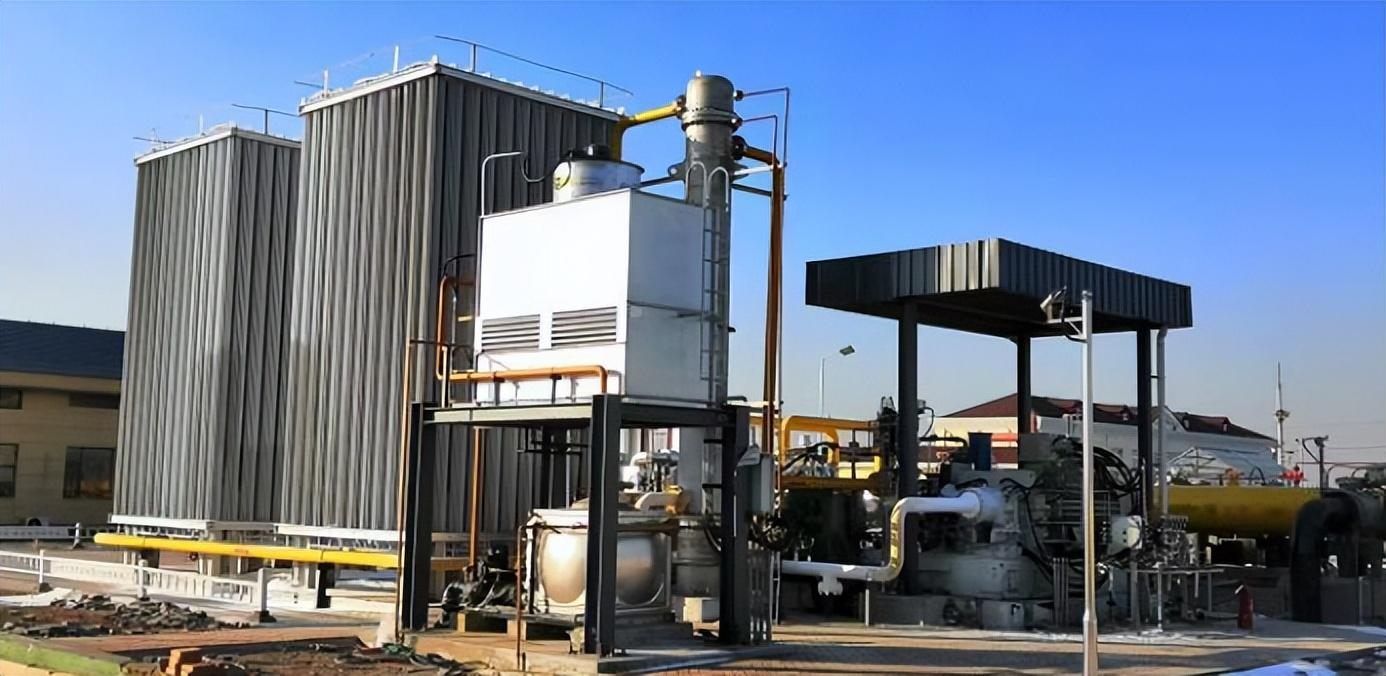
The world’s first zero-carbon rewarming natural gas pressure-differential power generation and refrigeration system, jointly developed by the Institute of Engineering Thermophysics (IET) of the Chinese Academy of Sciences and Joulong Energy Technology Co., Ltd., was officially commissioned on 23 January 2026 in Qufu, Shandong Province. The system uses 100% domestically developed technology across its core equipment and processes. With a peak output of 500 kW and an annual generation capacity exceeding 3.3 million kWh, it is the first system globally to maintain a gas outlet temperature above 0 °C throughout winter operation without any fuel combustion or external heat input. This breakthrough addresses a major technical barrier that has held back wider commercial deployment of natural gas pressure-differential power generation.
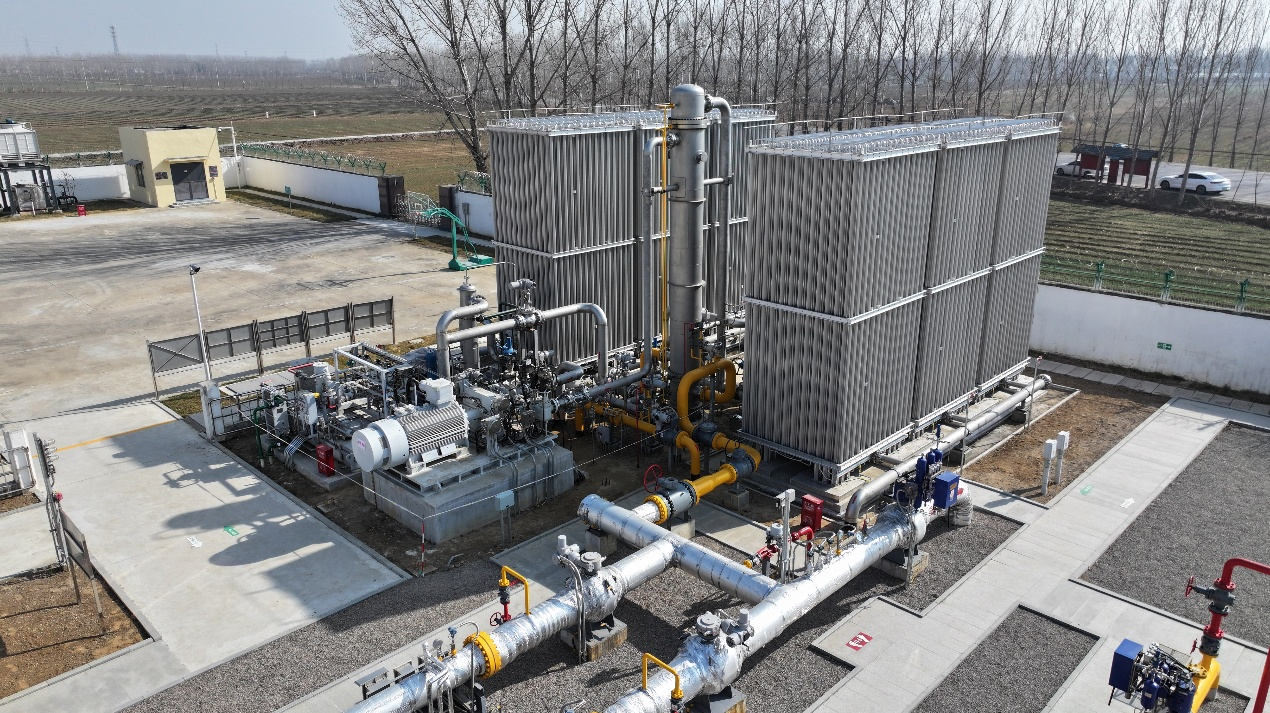
500kW Pressure-Differential Generation and Refrigeration System
Background: The Ice-Plugging Problem
Natural gas pressure-differential power generation captures energy that is normally lost when gas is throttled down at city gate and downstream regulating stations, using a turbo-expander to generate electricity. The catch: as the gas expands, its temperature drops sharply. Any moisture in the pipeline freezes, causing ice-plugging blockages. Most existing systems deal with this by running gas-fired heaters or other external heat sources. The new system sidesteps the problem entirely. Its zero-carbon rewarming process generates electricity from the pressure drop while simultaneously reheating the outlet gas using only energy already in the system — no additional gas or electricity needed. The result is zero-carbon pressure energy recovery without any dependence on external heat sources.
Over a Decade of Research
IET started researching natural gas pressure-differential power generation in 2013, earlier than any other institution in China. Over the following ten-plus years, the team developed the novel zero-carbon rewarming principle and made breakthroughs in highly-efficient compact heat exchangers, high-expansion-ratio expanders, and variable-load control technologies — building a complete development framework from system design through core equipment to integrated control.
In December 2021, IET and Joulong Energy brought China’s first 300 kW pressure-differential power demonstration online in Zibo, Shandong. The system has been running stably for more than four years, generating up to 2.4 million kWh in a peak year, saving 80,000 Nm³ of rewarming gas, and cutting CO₂ emissions by 1,985 tonnes annually.
Building the Zero-Carbon System
IET and Joulong Energy started developing the zero-carbon rewarming system in 2022. Three years on, it was completed in December 2025, drawing on the abundant pressure differential at the Qufu gas distribution station. The project went live on 23 January 2026 with backing from Sinopec Natural Gas Branch, the Jining Municipal Energy Bureau, and State Grid Shandong Electric Power Company.
At 500 kW peak output and over 3.3 million kWh per year, the system runs on 100% domestically developed technology. Critical electrical components meet the highest applicable safety standards to ensure uninterrupted gas supply. Once connected to the grid, the system operates in tandem with both the power grid and the gas transmission network: electricity powers the station’s own loads, and any surplus is exported to the grid.
Why It Matters
The commissioning of this system opens a practical path for broader deployment of pressure-differential power technology. Large numbers of natural gas city gate stations could be converted into distributed zero-carbon power plants, turning what is now wasted pressure energy in the transmission network into clean electricity. It also supports China’s commitment to peak carbon emissions by 2030 and carbon neutrality by 2060.